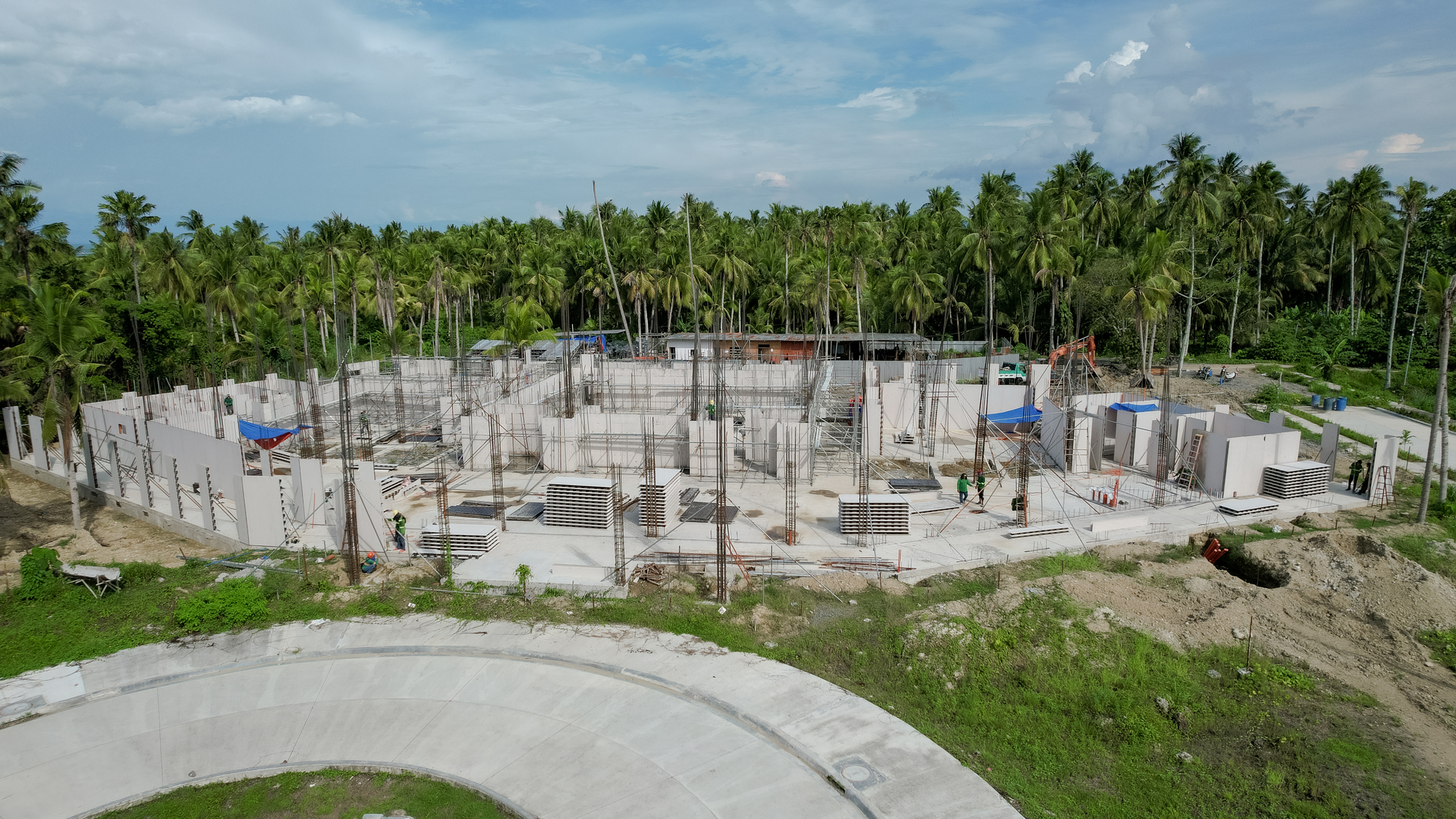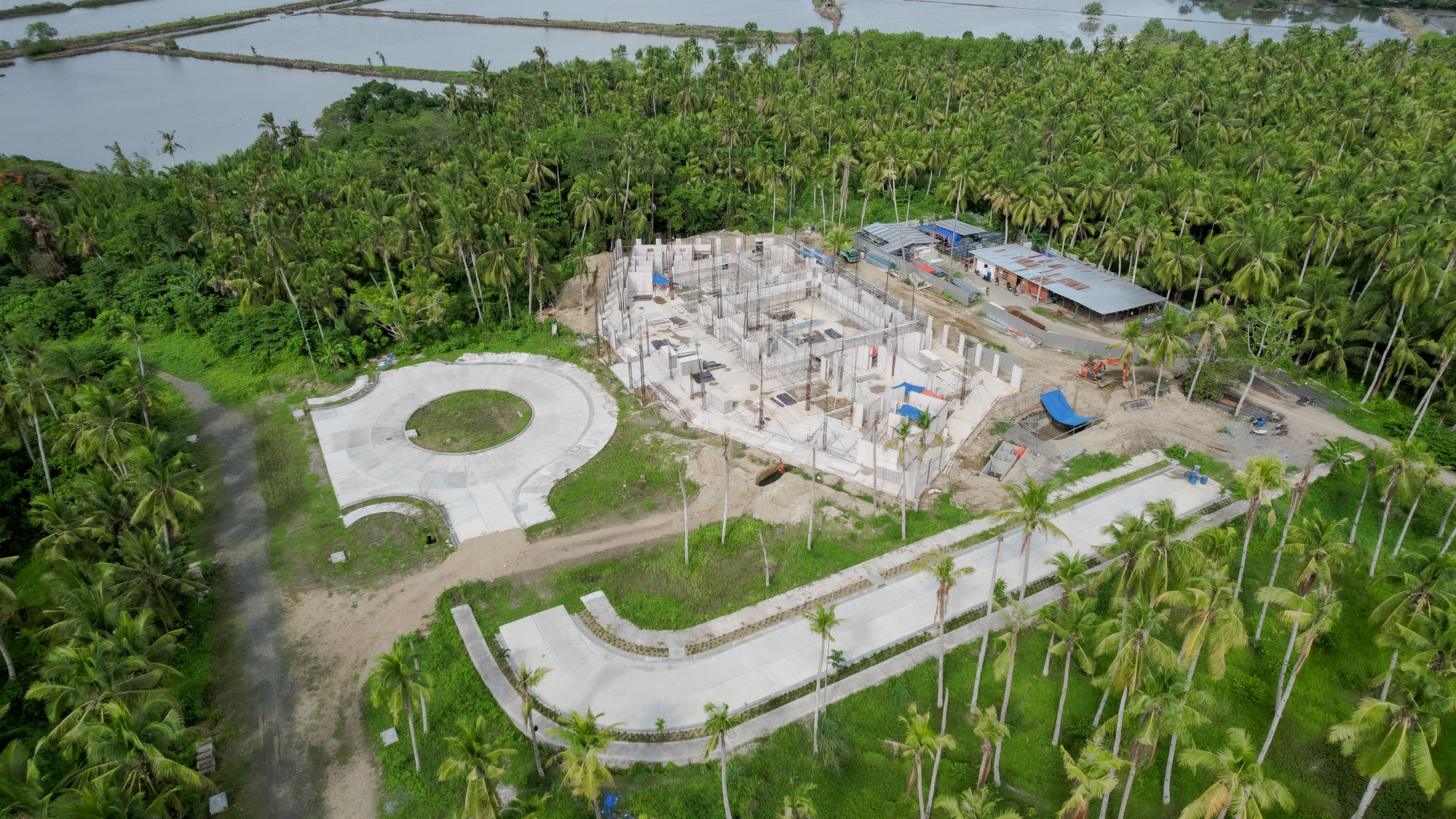
Construction of the University of the Philippines Professional School for Agriculture and the Environment (UP PSAE) continues to make steady progress within the Agriya township, bringing the landmark campus one step closer to its targeted completion in 2027. Civil and structural works have advanced significantly during the first half of 2026, with the academic building now reaching 30% overall completion. The project has also seen substantial progress in key structural components and surrounding site development, supported by completed internal road networks that improve access to the campus and integrate it seamlessly into the growing township.
Designed to become a center for advanced learning, research, and innovation, UP PSAE represents a landmark partnership between Damosa Land and the University of the Philippines. Upon completion, the campus is expected to accommodate approximately 200 graduate students pursuing programs focused on agriculture, environmental stewardship, and sustainable development. As the academic anchor of the 88-hectare Agriya township, the institution will foster collaboration among students, researchers, industry leaders, government agencies, and local farming communities, creating opportunities for knowledge exchange and innovation that support the long-term growth of Mindanao’s agricultural sector.
With project completion targeted for March 2027, construction activities will continue throughout the remainder of the year as the development progresses toward its next major milestone of achieving 45% overall completion by year-end. Strategically located within Agriya and just minutes from Panabo City’s commercial center, the campus will benefit from easy access to transportation networks, essential services, and the township’s future commercial, residential, and recreational components. More than a new academic facility, UP PSAE represents an investment in the future of Philippine agriculture—where education, research, and industry converge to nurture the leaders and innovations that will shape more resilient communities for generations to come.